Construction Debris Removal: How Professional Cleaners Handle the Mess
- matthew4920
- Feb 28
- 14 min read
Your commercial construction project in New Jersey is structurally complete. The framing is done, the drywall is up, the electrical and plumbing are in. But walk through the site and you're looking at:
Thousands of pounds of construction debris. Wood scraps piled in corners. Drywall cutoffs stacked against walls. Metal ductwork pieces scattered across the floor. Cardboard boxes everywhere. Plastic sheeting taped to every surface. Paint cans, adhesive containers, and material packaging covering work areas. And a thick layer of dust on absolutely everything.
The client walkthrough is in two weeks. You need the space clean enough for finish work to begin. And you're realizing that removing construction debris isn't just "rent a dumpster and throw everything in."
Professional debris removal requires systematic sorting, proper disposal facility coordination, hazardous material handling, and understanding of what can and cannot be thrown away together. Do it wrong and you face rejected dumpster loads, code violations, disposal facility fines, and debris that sits on-site for weeks.
This guide explains exactly how professional post-construction cleaning companies handle debris removal from initial assessment through final disposal, what equipment and processes they use, and why the systematic approach saves contractors time, money, and compliance headaches.
What Construction Debris Actually Includes

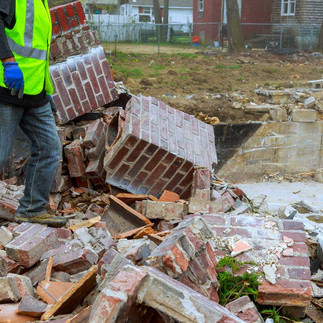
Understanding debris categories is the first step to proper removal and disposal.
Heavy Structural Materials
Wood and lumber debris:
Framing lumber cutoffs and scraps (2x4s, 2x6s, plywood, OSB)
Trim pieces, molding, and door frame cutoffs
Wooden shipping pallets and crates
Sawdust and wood shavings
Subflooring and structural wood waste
Weight consideration: Wood is heavy. A full dumpster of framing lumber can exceed weight limits even when the dumpster looks half full.
Drywall and sheetrock:
Full sheets, half sheets, and small scraps
Corner bead and metal framing pieces
Joint compound containers (empty and partially full)
Drywall dust (one of the biggest challenges)
Weight consideration: Drywall is extremely heavy, especially when factoring in the dust. Wet drywall weighs even more.
Flooring materials:
Tile (ceramic, porcelain, vinyl) - broken and whole pieces
Hardwood scraps and laminate cutoffs
Carpet remnants and padding
Underlayment materials
Grout and thinset buckets
Weight consideration: Tile and concrete-based materials are the heaviest debris category.
Finishing Materials and Chemicals
Paint and coating materials:
Empty paint cans (can often be recycled)
Partially full paint cans (require special disposal)
Spray paint cans
Stain and varnish containers
Paint trays, rollers, and brushes
Drop cloths and plastic sheeting
Disposal requirement: Liquid paint cannot go in regular dumpsters. Must be dried out or taken to hazardous waste facility.
Adhesives and sealants:
Caulk tubes and cartridges
Construction adhesive containers
Tile adhesive and mastic buckets
Grout bags and mortar containers
Disposal requirement: Some adhesives contain hazardous chemicals requiring special handling.
Packaging and Protective Materials
Cardboard and paper:
Appliance boxes and material packaging
Protective cardboard floor coverings
Shipping boxes and crates
Instruction manuals and documentation
Recycling opportunity: Clean cardboard is highly recyclable and should be separated.
Plastic and foam:
Bubble wrap and packing materials
Plastic sheeting and protective wrap
Foam insulation scraps
Styrofoam packaging
Protective film from fixtures
Disposal consideration: Most plastics go to regular landfill, but clean plastic sheeting can sometimes be recycled.
Metal and Hardware Waste
Metal scraps:
HVAC ductwork pieces and fittings
Electrical conduit and wire scraps
Metal studs and framing
Nails, screws, and fasteners
Broken tools and equipment parts
Recycling opportunity: Scrap metal has value. Professional cleaners separate metal for recycling, which reduces disposal costs.
Hazardous Materials (Special Handling Required)
Cannot go in regular construction dumpster:
Asbestos-containing materials (tiles, insulation, siding)
Lead paint chips or contaminated materials
Chemical containers with residual contents
Fluorescent light bulbs and ballasts containing mercury
Batteries (lithium, lead-acid, alkaline)
Electronic waste (old thermostats, control panels)
Legal requirement: New Jersey has strict regulations on hazardous waste disposal. Improper disposal can result in significant fines for contractors and property owners.
The Professional Construction Debris Removal Process


Professional cleaners don't just "load everything into a dumpster." Here's the systematic eight-step process.
Step 1: Initial Site Assessment and Planning
Before touching any debris, professionals assess:
Volume estimation:
Total cubic yards of debris present
Estimated weight (critical for dumpster sizing and disposal fees)
Distribution throughout the building (concentrated vs. scattered)
Material composition:
Percentage of wood, metal, drywall, and mixed materials
Presence of recyclable materials
Identification of any hazardous materials
Access evaluation:
Distance from work area to dumpster location
Stairway access or elevator availability
Door width and clearance issues
Floor protection requirements
Timeline and crew sizing:
How many workers needed
Estimated days to complete
Equipment requirements
Dumpster delivery and pickup scheduling
Why assessment matters: Accurate assessment prevents mid-project problems like discovering you need a second dumpster, finding hazardous materials that halt work, or realizing access is more difficult than anticipated.
Step 2: Hazardous Material Identification and Separation
Critical first step - before any debris is moved:
Professional cleaners walk the entire site identifying:
Asbestos tiles, insulation, or pipe wrapping
Lead paint chips or surfaces
Chemical containers (partially full paint, solvents, adhesives)
Fluorescent bulbs and ballasts
Batteries and electronic components
Hazardous materials get immediately:
Clearly marked and tagged
Physically separated from general debris
Isolated in designated area
Documented for proper disposal tracking
If asbestos or lead is discovered:
Work stops in that area immediately
Contractor is notified
Certified abatement professionals are contacted
Regular debris removal resumes only after proper remediation
New Jersey compliance: NJ Department of Environmental Protection has specific requirements for asbestos notification and lead paint handling. Professional cleaners understand these regulations.
Step 3: Material Sorting and Categorization
Why sorting matters:
Different materials have different disposal destinations:
Recyclable materials (metal, clean wood, cardboard) go to recycling facilities (lower cost)
General construction waste goes to C&D landfills (moderate cost)
Hazardous materials go to licensed hazardous waste facilities (high cost)
Some materials can be donated or salvaged (zero cost, potential tax benefit)
Professional sorting strategy:
Primary sort (first pass):
Separate large metal pieces (ductwork, conduit, studs)
Pull out clean recyclable wood
Separate clean cardboard and packaging
Isolate hazardous materials
Consolidate mixed waste
Secondary sort (detail pass):
Break down cardboard for recycling
Sort metal by type (ferrous vs. non-ferrous)
Separate salvageable materials
Further categorize mixed waste if needed
Container organization:
Metal bin for scrap metal
Cardboard area for recyclables
Hazardous material containment area
General waste consolidation area
Cost impact of proper sorting: Mixed waste costs more to dispose of than sorted materials. A well-sorted load can save 20-30% on disposal fees.
Step 4: Large Debris Removal (First Priority)
Why large items come out first:
Clears floor space for working
Makes smaller debris accessible
Prevents damage from dragging heavy items later
Creates pathways for efficient debris flow
Large item removal process:
Heavy structural materials:
Bundle long lumber pieces together
Break down large drywall sheets to manageable size
Consolidate metal pieces for easier handling
Use dollies and hand trucks for heavy loads
Equipment used:
Heavy-duty hand trucks (500-1,000 lb capacity)
Furniture dollies for awkward items
Floor protection (cardboard runners, plywood sheets)
Lifting straps for team lifting
Pallet jacks for consolidated loads
Floor protection critical: Dragging construction debris across new or finished floors causes damage. Professionals protect floors during every debris removal phase.
Step 5: Medium Debris Consolidation
After large items removed, medium-sized debris gets systematically consolidated:
Wood scraps management:
Bundle similar sizes together
Break long pieces to fit dumpster efficiently
Separate clean wood from painted/treated wood
Fill heavy-duty contractor bags for smaller pieces
Drywall handling:
Break large pieces into smaller chunks
Bag drywall dust separately (extremely heavy when bagged)
Consolidate scrap pieces for efficient hauling
Keep drywall separated from wet materials
Flooring material handling:
Bag tile pieces (sharp edges require containment)
Roll carpet remnants
Bundle laminate and vinyl scraps
Consolidate underlayment materials
Containerization strategy:
Heavy-duty contractor bags (3-6 mil thickness) for bagged debris
Rigid boxes for sharp materials
Labeled containers for different material types
Rolling bins for efficient multi-trip hauling
Step 6: Fine Debris and Dust Collection
The detail work that separates professional from amateur cleanup:
Drywall dust removal:
Industrial HEPA filter vacuums (regular vacuums clog instantly)
Multiple vacuum passes as dust settles
Attention to corners and edges where dust accumulates
Dust inside cabinets, closets, and built-ins
Small debris collection:
Sawdust and wood shavings
Small scrap pieces and fragments
Nails, screws, and small metal pieces (magnetic sweeper)
Broken tile shards and sharp objects
Packaging materials and tape
Safety consideration: Sharp objects mixed in fine debris create injury hazards. Professionals use cut-resistant gloves and careful handling.
Why this is the hardest part:
Drywall dust is talc-like powder that gets everywhere
Dust settles on surfaces as you work, requiring multiple passes
Standard vacuums cannot handle construction dust volume
Sharp objects hidden in dust create hazards
Step 7: Hauling and Disposal Coordination
Getting debris from site to final destination:
Dumpster management:
Coordinate dumpster delivery timing
Load dumpster systematically (heavy items on bottom)
Maximize space efficiency
Ensure weight doesn't exceed dumpster limits
Schedule pickup when full
Disposal facility coordination:
Verify facility accepts specific material types
Understand facility hours and requirements
Obtain weight tickets and disposal receipts
Document for contractor records and compliance
Multiple disposal destinations:
C&D landfills for general construction waste
Metal recycling facilities for scrap metal
Cardboard recycling centers
Hazardous waste facilities for special materials
Donation centers for salvageable items
Documentation importance: Professional cleaners provide disposal receipts showing where materials went, weights disposed, and compliance with regulations. This protects contractors from liability.
Step 8: Final Site Verification
Last pass ensures nothing missed:
Complete walkthrough:
Check all rooms, including closets and storage areas
Inspect corners and hard-to-reach areas
Verify exterior areas clear (loading zones, dumpster areas)
Check for debris in unexpected locations (ceiling spaces, under stairs)
Remove any remaining protective materials
Safety verification:
No sharp objects on floors
No tripping hazards remain
Access pathways completely clear
Site safe for next phase of work
Quality check: Can finish trades begin work immediately without encountering debris? If yes, debris removal is complete.
Equipment and Tools Professional Debris Removal Uses


The right equipment makes debris removal exponentially faster and safer.
Heavy-Duty Hauling Equipment
Industrial hand trucks and dollies:
Rated for 500-1,000 lb loads (not residential 200 lb models)
Pneumatic tires for rough surfaces and debris
Extended handles for leverage
Stair-climbing models for multi-floor projects
Pallet jacks:
Move heavy consolidated loads efficiently
Navigate tight spaces
Handle palletized materials
Reduce physical strain on workers
Wheelbarrows and rolling bins:
Heavy-duty construction-grade (not residential)
Reinforced for sharp materials
Large capacity (6+ cubic feet)
Pneumatic wheels for rough terrain
Floor protection materials:
Heavy-duty cardboard runners
Plywood sheets for high-traffic areas
Plastic floor protection
Door frame and corner guards
Specialized Vacuum Equipment
Not household vacuums - industrial grade:
Shop vacuums:
16+ gallon capacity
Powerful motors (6+ horsepower)
Multiple filter stages
Durable construction for continuous use
HEPA filter vacuums:
Capture 99.97% of particles 0.3 microns and larger
Essential for drywall dust (extremely fine particles)
Prevent dust recirculation into air
Protect worker health
Dust containment systems:
Negative air machines for contained areas
Dust barriers and zipper walls
Air scrubbers for air quality
Magnetic sweepers:
Pick up nails, screws, and metal debris from floors
Prevent flat tires and puncture injuries
Cover large areas quickly
Adjust height for different surfaces
Safety and Protective Equipment
Required personal protective equipment:
Respiratory protection:
N95 masks minimum for dust
P100 respirators for heavy dust
Full-face respirators for chemical exposure
Fit testing and proper training
Hand protection:
Cut-resistant gloves (ANSI A3 or higher)
Chemical-resistant gloves for hazardous materials
Puncture-resistant gloves for sharp debris
Eye and face protection:
Safety glasses with side shields
Face shields for overhead work
Goggles for dusty environments
Foot protection:
Steel-toe boots (ASTM F2413 rated)
Puncture-resistant soles
Slip-resistant treads
High-visibility clothing:
Required on active construction sites
Increases worker safety
Professional appearance
Containers and Containment
Professional-grade debris containment:
Heavy-duty contractor bags:
3-6 mil thickness (household bags are 0.7-1.5 mil)
42+ gallon capacity
Tear and puncture resistant
Can handle sharp materials
Rigid containers:
Plastic bins with lids for small debris
Metal containers for sharp materials
Rolling trash cans for efficiency
Labeled containers for sorted materials
Dumpsters and roll-offs:
10-yard dumpsters (3-4 pickup truck loads)
20-yard dumpsters (6-8 pickup truck loads)
30-yard dumpsters (9-12 pickup truck loads)
40-yard dumpsters for very large projects
Common Debris Removal Challenges and Solutions


Construction debris removal presents unique challenges that professionals navigate daily.
Challenge 1: Drywall Dust Everywhere
The problem: Drywall creates talc-like powder that:
Coats every surface (horizontal and vertical)
Becomes airborne with any movement
Clogs regular vacuums in minutes
Settles back onto cleaned surfaces
Gets into HVAC systems and recirculates
Professional solution:
Use only HEPA filter vacuums designed for fine dust
Work from ceiling to floor (dust falls downward)
Ventilate space during vacuuming (dust exits building)
Multiple vacuum passes over several days as dust settles
Damp-wipe surfaces after vacuuming to capture residual dust
Replace HVAC filters after drywall work
Why homeowner approach fails: Standard shop vacuums clog within minutes with drywall dust. The fine particles pass through filters and recirculate into the air.
Challenge 2: Exceeding Dumpster Weight Limits
The problem: Dumpsters have both volume capacity and weight limits. Exceeding weight results in:
Refusal to pick up dumpster
Additional fees ($50-$150 per ton over)
Requirement to remove materials
Project delays
Professional solution:
Estimate weight during initial assessment
Know material weights (drywall and concrete are heaviest)
Monitor dumpster loading in real-time
Use multiple smaller dumpsters instead of one overweight dumpster
Sort heavy materials for separate disposal
Weight awareness:
Drywall: 1.5-2 tons per 1,000 sq ft installed
Concrete/masonry: Extremely heavy, often needs dedicated dumpster
Wood framing: Moderate weight
Cardboard/packaging: Light weight, high volume
Challenge 3: Mixed Waste Rejection at Disposal Facility
The problem: C&D landfills reject mixed loads containing:
Household trash mixed with construction debris
Hazardous materials in general waste
Unacceptable materials (tires, appliances, liquids)
Materials requiring different disposal methods
Result: Entire dumpster gets rejected, must be sorted and returned, additional fees, project delays.
Professional solution:
Sort materials before loading dumpster
Know disposal facility requirements in advance
Keep prohibited materials separate
Train crew on acceptable vs. unacceptable materials
Maintain relationship with disposal facilities
Challenge 4: Limited Access to Dumpster
The problem: Urban or restricted sites where:
Dumpster must be placed far from work area (across parking lot, down street)
No direct elevator access to dumpster
Multiple flights of stairs between debris and dumpster
Tight doorways or narrow hallways
Impact: Dramatically increases labor time and cost.
Professional solution:
Stage debris in designated area before hauling
Use rolling bins for efficient multi-trip hauling
Protect route with floor runners
Schedule hauling during times when elevator/pathways available
Consolidate loads to minimize trips
Price jobs accurately accounting for difficult access
Challenge 5: Discovering Hazardous Materials Mid-Project
The problem: Unexpected discovery of:
Asbestos tiles under flooring
Lead paint on walls or trim
Contaminated soil or materials
Unknown chemical containers
Legal requirement: Work must stop. Cannot continue until proper remediation.
Professional solution:
Immediately isolate discovered materials
Mark area clearly
Stop debris removal in that area
Contact contractor and building owner
Document discovery with photos
Coordinate with certified hazardous material professionals
Resume only after proper remediation and clearance
Why experience matters: Professionals recognize potential hazardous materials and handle appropriately, protecting everyone from exposure and legal liability.
Disposal Facilities and Costs in New Jersey
Understanding where debris goes and what it costs helps with planning and budgeting.
C&D (Construction & Demolition) Landfills
What they accept:
Clean wood and lumber (untreated, unpainted)
Drywall and sheetrock
Flooring materials (tile, carpet, vinyl, hardwood)
Roofing materials (shingles, underlayment)
Concrete and masonry
Metals and hardware
What they do NOT accept:
Household trash or food waste
Hazardous materials
Liquids (paint, chemicals)
Tires and appliances (most facilities)
Electronics
New Jersey C&D disposal costs (2024-2026):
Typical range: $40-$100 per ton
Weight-based pricing (heavier materials cost more)
Minimum charges may apply
Additional fees for contaminated loads
Major NJ C&D facilities:
Multiple locations across North, Central, and South Jersey
Different facilities have different material requirements
Hours typically 6am-4pm weekdays, limited weekend hours
Recycling Facilities
Materials that can be recycled:
Metal recycling:
Ferrous metals (steel, iron) - often FREE disposal or small payment
Non-ferrous metals (copper, aluminum, brass) - PAY you for materials
Clean, separated metal preferred
Wood recycling:
Clean, untreated wood → ground into mulch or biomass fuel
Often FREE or low-cost disposal
Cannot be painted, stained, or pressure-treated
Cardboard recycling:
Clean cardboard broken down flat
Usually FREE disposal
Significant volume reduction when flattened
Concrete and masonry recycling:
Crushed into aggregate for road base or new concrete
Lower cost than landfill disposal
Must be clean (no rebar, no mixed materials)
Cost savings through recycling:
Can reduce overall disposal costs by 20-40%
Separated loads worth more than mixed loads
Environmental benefit and potential LEED credits
Hazardous Waste Facilities
Materials requiring special disposal:
Asbestos:
Must be handled by certified professionals
Requires notification to NJDEP
Special containment and transport requirements
Disposal at licensed asbestos landfills only
Lead paint materials:
Chips, dust, or contaminated materials
Special handling requirements
Documentation and tracking required
Chemical waste:
Liquid paint (must be dried or taken to household hazardous waste)
Solvents and thinners
Adhesives and sealants with hazardous components
Oil-based products
Electronics and batteries:
Universal waste requiring special handling
Cannot go to regular landfill
Recycling programs available
New Jersey hazardous waste costs:
Significantly higher than regular disposal
$100-$500+ per load depending on material type and quantity
Licensed transporters required
Manifests and documentation required
Donation and Salvage Options
Materials that can be donated:
Building materials:
Unused or lightly used materials
Cabinets in good condition
Doors, windows, and fixtures
Appliances (working condition)
Hardware and supplies
Donation benefits:
Tax deduction for material value
Reduced disposal costs
Community benefit
Environmental responsibility
New Jersey donation locations:
Habitat for Humanity ReStores (multiple NJ locations)
Local salvage yards and architectural salvage companies
Community organizations
Construction material exchanges
Cost Factors in Professional Debris Removal


Understanding cost drivers helps with budgeting and vendor selection.
Volume-Based Pricing
Most common pricing model:
Per cubic yard of debris
Per dumpster size (10-yard, 20-yard, 30-yard)
Flat rate for specific project scope
Typical New Jersey debris removal costs (2024-2026):
By dumpster size:
10-yard dumpster: $300-$500 (holds 3-4 pickup truck loads)
20-yard dumpster: $400-$700 (holds 6-8 pickup truck loads)
30-yard dumpster: $500-$900 (holds 9-12 pickup truck loads)
40-yard dumpster: $600-$1,100 (holds 12-16 pickup truck loads)
What's included in dumpster pricing:
Dumpster delivery and pickup
7-14 day rental period
Disposal fees up to weight limit (typically 2-3 tons)
Transportation to disposal facility
Additional costs:
Over-weight fees: $50-$100 per ton over limit
Extended rental: $10-$20 per day beyond rental period
Difficult placement: $50-$150 for challenging locations
Labor-Based Pricing
When labor is charged separately:
Hourly crew rates: $50-$150 per hour per worker
Typically 2-4 person crews
Minimum hours may apply
Labor factors affecting cost:
Accessibility (ground level vs. upper floors)
Distance to dumpster
Sorting requirements
Safety hazards requiring extra precautions
Volume and type of debris
Material-Specific Pricing
Special materials with additional costs:
Hazardous materials:
Asbestos: $100-$500+ depending on quantity
Lead paint materials: $100-$300+
Chemical disposal: $50-$200+
Heavy materials:
Concrete and masonry: Often charged by weight, $40-$100 per ton
Soil and dirt: $30-$80 per ton
Demolition debris: $50-$120 per ton
Appliances:
Refrigerators/freezers: $50-$100 each (freon removal required)
Other appliances: $25-$75 each
Electronic waste: $10-$50 per item
Access and Logistics Premiums
Additional charges for:
Upper floor removal without elevator: 15-30% premium
Long carry distance (>50 feet from dumpster): 10-20% premium
Stair-only access: 20-40% premium
Tight doorways or access restrictions: 10-25% premium
Weekend or after-hours work: 25-50% premium
Expedited/rush service: 15-35% premium
How 201 Cleaning LLC Handles Construction Debris Removal
Professional debris removal requires systematic processes, proper equipment, and compliance knowledge.
201 Cleaning LLC provides comprehensive construction debris removal services for commercial contractors and property owners throughout New Jersey. Founded by Louis with a commitment to professionalism and attention to detail, 201 Cleaning handles debris removal as part of complete post-construction cleaning services.
201 Cleaning's debris removal process:
Complete assessment and planning:
Detailed site walkthrough
Volume and weight estimation
Material type identification
Access evaluation and logistics planning
Timeline coordination with contractor schedule
Systematic removal:
Hazardous material identification and separation
Material sorting for recycling and waste diversion
Large debris removal with floor protection
Medium debris consolidation
Fine debris and dust removal with HEPA vacuums
Proper disposal at licensed facilities
Equipment and expertise:
State-of-the-art industrial equipment
Heavy-duty hauling tools
HEPA filter vacuum systems
Proper safety equipment
Experienced crews
Documentation and compliance:
Disposal receipts for all materials
Weight tickets from disposal facilities
Recycling documentation
Compliance with NJ environmental regulations
Comprehensive property maintenance:
Post-construction cleaning all phases
Office cleaning and commercial cleaning services
Complete property maintenance including painting, landscaping, and power-washing
"White glove experience" approach to every project
When you contact 201 Cleaning for debris removal and post-construction cleaning, you work with a team that understands construction timelines, coordinates systematically, and delivers results that keep projects moving forward.
Location: 466 Hackensack Ave, Hackensack, NJ 07601 Hours: Monday-Friday 6:00 AM - 7:00 PM, Saturday 8:00 AM - 7:00 PM
Frequently Asked Questions About Construction Debris Removal
How much does construction debris removal cost in New Jersey? Costs range from $300-$500 for a 10-yard dumpster to $600-$1,100 for a 40-yard dumpster, plus labor if hiring removal service. Professional debris removal including labor typically costs $500-$3,000+ depending on project size and debris volume.
Can I throw construction debris in a regular trash dumpster? No. Construction and demolition waste requires C&D-specific dumpsters. Regular trash dumpsters don't accept construction materials. Mixing waste types results in rejection at disposal facilities and additional fees.
What construction materials cannot go in a dumpster? Hazardous materials (asbestos, lead paint), household trash, food waste, liquids (wet paint, chemicals), tires, appliances (in most facilities), batteries, and electronics all require special disposal and cannot go in regular C&D dumpsters.
How long does professional debris removal take? Small projects (1,000-2,000 sq ft): 1-2 days. Medium projects (2,000-5,000 sq ft): 2-4 days. Large commercial projects: 5-10+ days. Timeline depends on debris volume, access, and sorting requirements.
Do I need a permit for a construction dumpster in New Jersey? Depends on location. Many NJ municipalities require permits for dumpsters placed on public streets or sidewalks. Dumpsters on private property typically don't need permits. Always check with local municipality before dumpster delivery.
Should I remove debris myself or hire professionals? DIY makes sense only for very small projects with easy access, no hazardous materials, and no time pressure. Professional removal saves time, ensures proper disposal, handles hazardous materials correctly, and provides documentation for compliance.
Get Professional Construction Debris Removal in New Jersey
Construction debris removal done systematically clears sites safely, efficiently, and in full compliance with NJ disposal regulations.
201 Cleaning LLC provides professional construction debris removal and complete post-construction cleaning services throughout New Jersey. From initial assessment through final disposal documentation, 201 Cleaning handles projects of all sizes with systematic processes, proper equipment, and guaranteed professionalism.
Contact 201 Cleaning LLC
Get Your Free Estimate:
Professional construction debris removal for New Jersey contractors and property owners. 201 Cleaning — from construction mess to move-in ready.
Need ongoing cleaning after construction? 201 Cleaning provides office cleaning, commercial cleaning services, and complete property maintenance including painting, landscaping, and power-washing throughout New Jersey.


Comments